






What Makes Merino Wool a Good Ski Baselayer
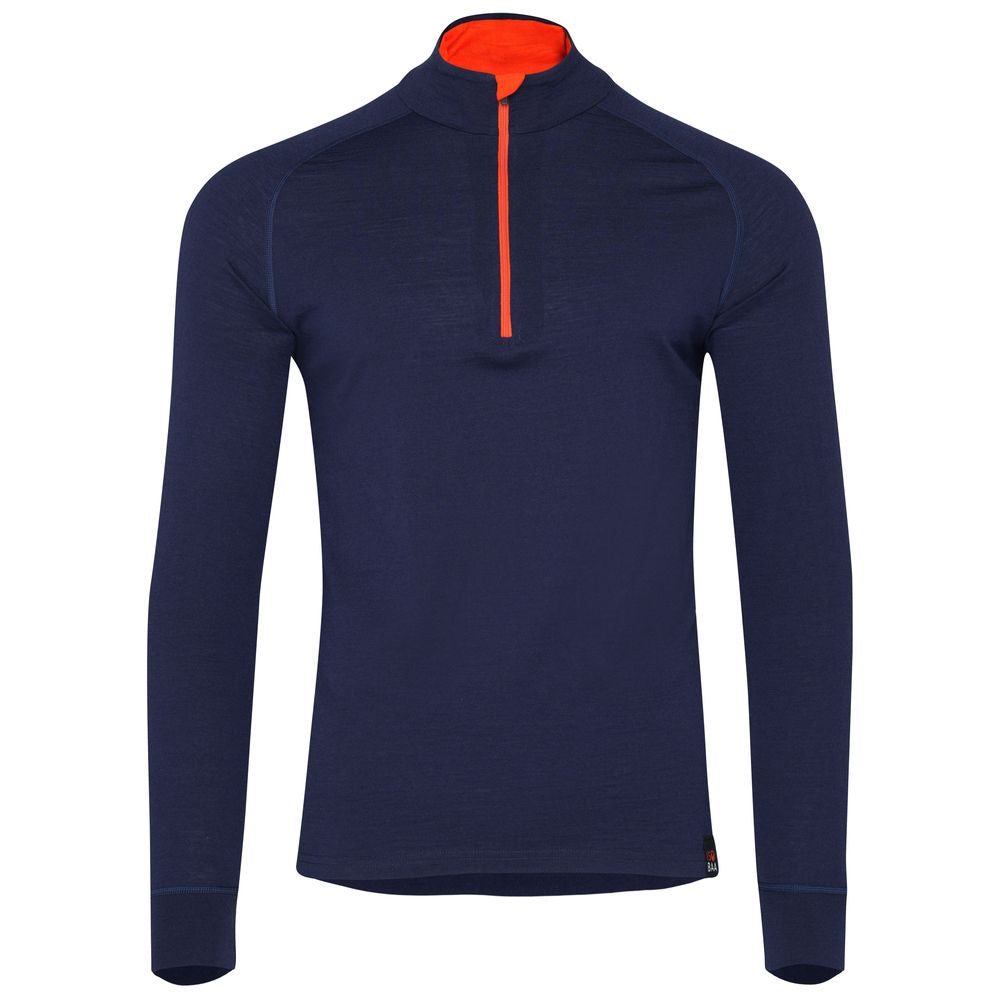
A ski baselayer needs to work in changing conditions, over long days, and across multiple wears. Merino wool suits skiing because its natural behaviour aligns closely with how ski days actually unfold, with effort, rest, cold air, sweat, and long hours spent outdoors.
Handles stop start skiing without overheating
Skiing is not continuous movement. Short bursts of effort are followed by long periods of sitting still on chairlifts or standing in the cold. Merino wool helps manage this pattern by holding warmth when you stop moving and releasing excess heat when you start again. This reduces the sharp swings between feeling too hot and then suddenly cold, which is a common issue with less adaptive baselayer fabrics.
Keeps warmth close without feeling bulky
Merino fibres trap heat efficiently near the skin, which allows a baselayer to stay warm without needing thickness or padding. This makes layering under a ski shell easier and more comfortable, especially when freedom of movement matters. A thinner baselayer also reduces pressure points and bunching under midlayers and outerwear.
Manages sweat in cold air
Sweating while skiing is unavoidable, especially during climbs, traverses, or warmer conditions. In cold air, damp fabric quickly leads to discomfort once you slow down. Merino wool absorbs moisture into the fibre itself rather than letting it sit on the surface, which helps regulate body temperature and reduces the cold, wet feeling that can occur on lifts or during breaks.
Stays comfortable against skin all day
A ski baselayer is worn directly against the skin for many hours. Merino wool fibres are naturally fine, which makes them soft and flexible rather than abrasive. This helps prevent irritation, rubbing, and the sticky sensation that some synthetic fabrics develop after repeated sweating and drying throughout the day.
Resists odour over multiple ski days
Ski trips often involve wearing the same baselayer more than once, either to reduce packing or because washing is inconvenient. Merino wool naturally limits the growth of odour causing bacteria, which helps keep the fabric smelling fresher for longer. This makes merino especially practical for week long trips, shared accommodation, and back to back ski days.
Adapts to changing temperatures
Mountain weather can shift quickly, from cold mornings to sunny afternoons, or from shade to direct sun. Merino wool regulates temperature across a wide range of conditions, helping you stay comfortable without constantly adding or removing layers. This versatility is useful in both mid winter and spring skiing.
Recovers well overnight
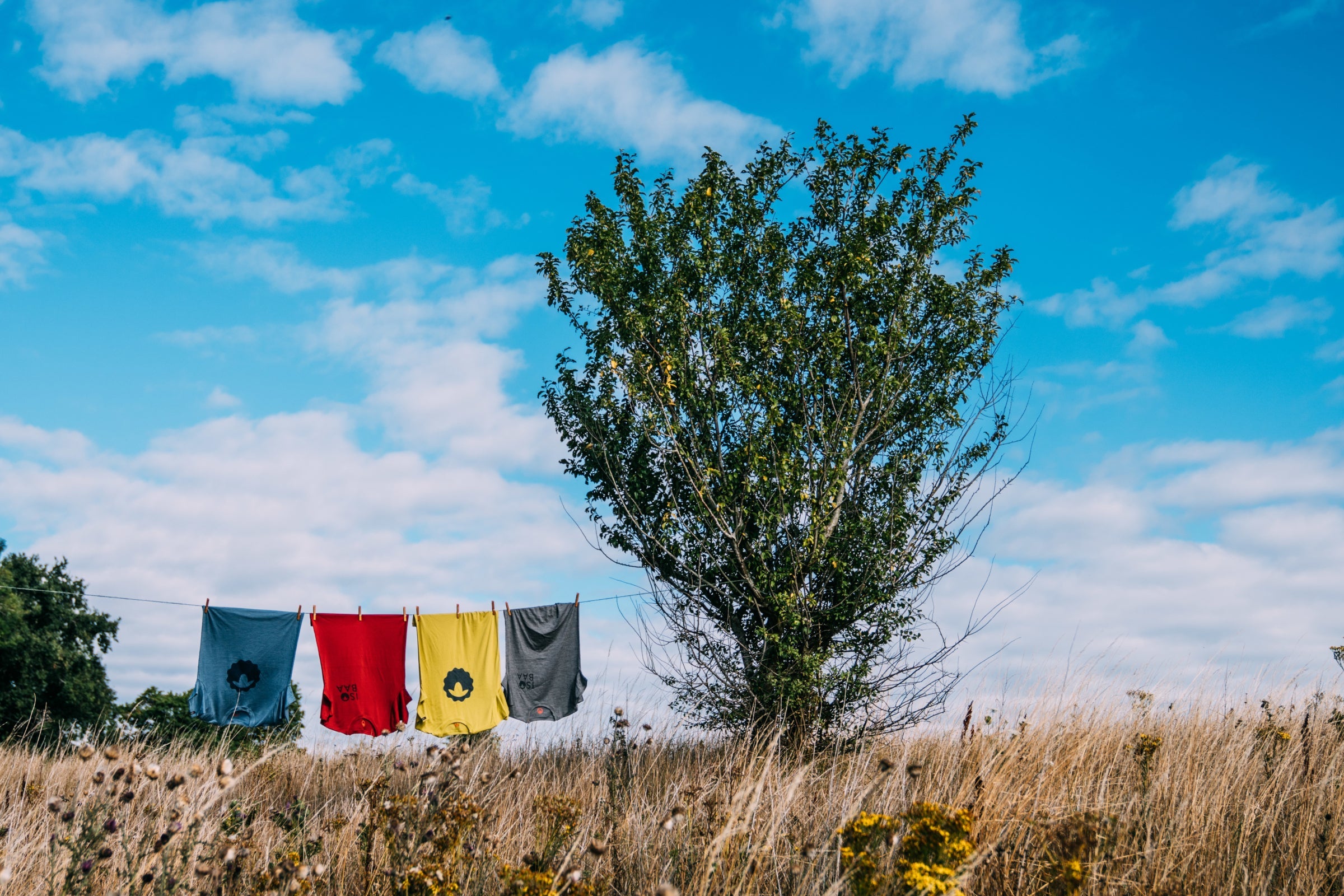
After a full day on the slopes, baselayers often need to dry overnight. Merino wool air dries effectively when hung up and tends to feel fresh again the next day. This allows for repeat wear without frequent washing, which also helps extend the life of the garment.
TLDR: Why merino makes sense for skiing
Merino wool works as a ski baselayer because it supports comfort across effort, rest, cold, sweat, and repeat wear. It provides warmth without bulk, manages moisture in cold conditions, stays comfortable against the skin, and performs reliably over long ski days. For skiers who want a baselayer that adapts to real mountain use, merino wool remains a strong and practical choice.










Leave a comment
This site is protected by hCaptcha and the hCaptcha Privacy Policy and Terms of Service apply.