




How long should a merino garment last?
It's a question worth asking, especially when you're spending real money on a piece of clothing. The short answer is: years. Often a lot of years, if you look after it.
Here's what you need to know.
Merino is built to last
Merino fibres are surprisingly tough. They can bend and flex thousands of times before they start to break down, which is why a good merino top tends to hold up far better than a cheap synthetic one that pills and loses its shape after a season.
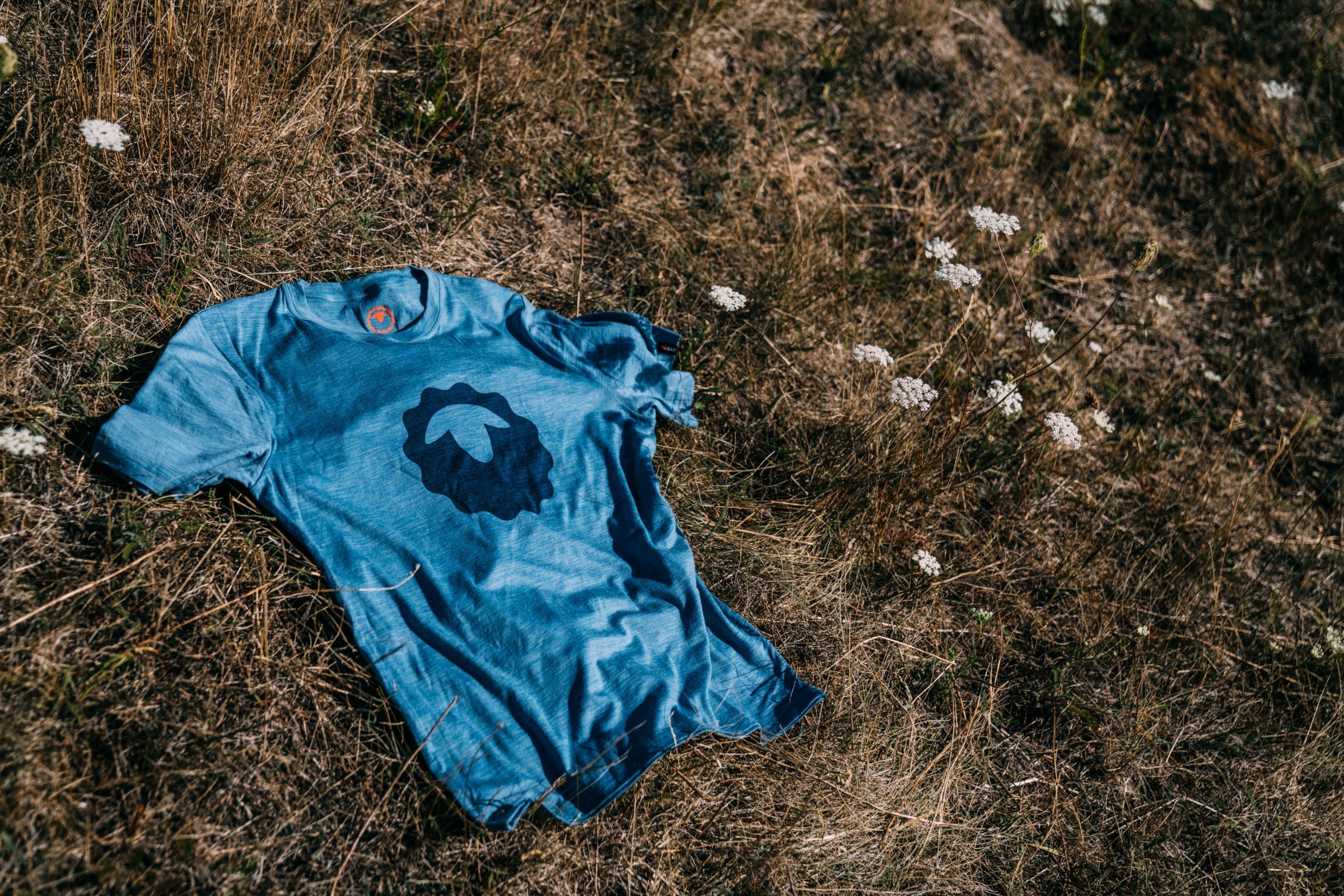
We often hear from customers who are still wearing Isobaa pieces they bought several years ago. That's exactly what we're going for.
What makes a difference
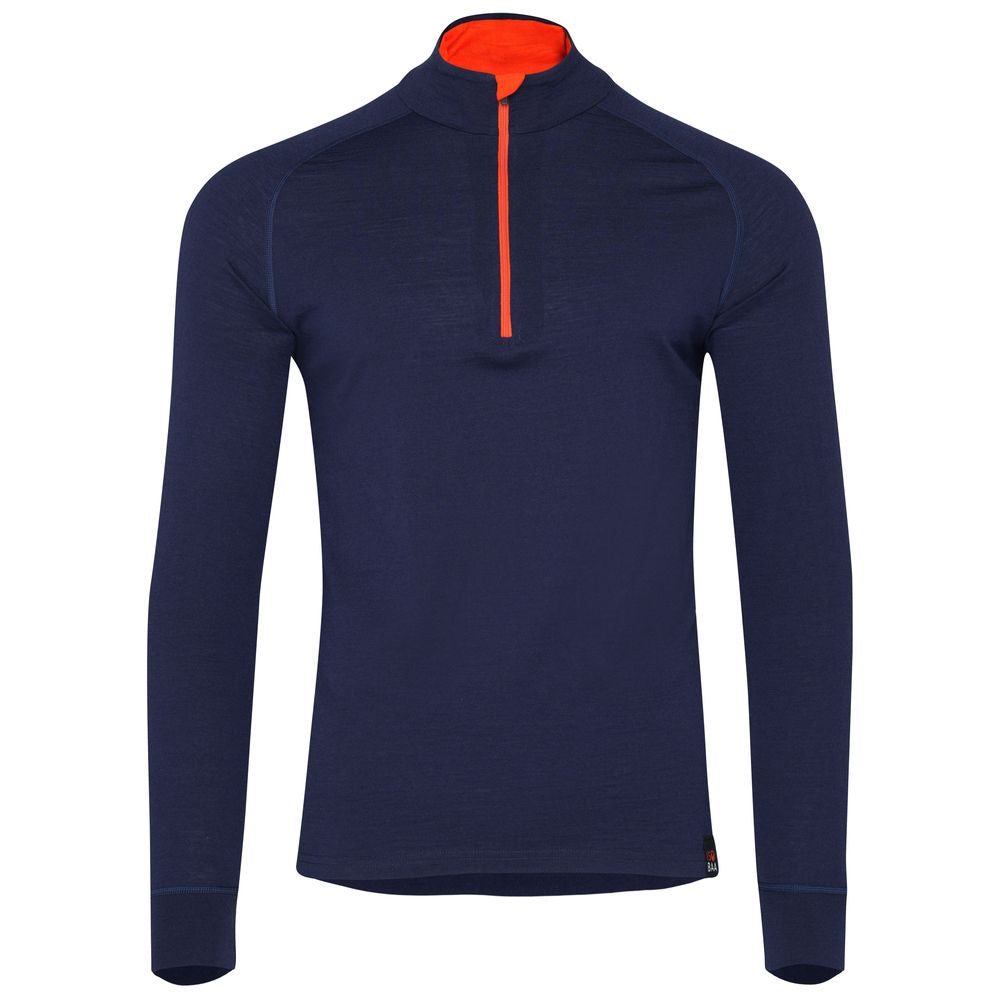
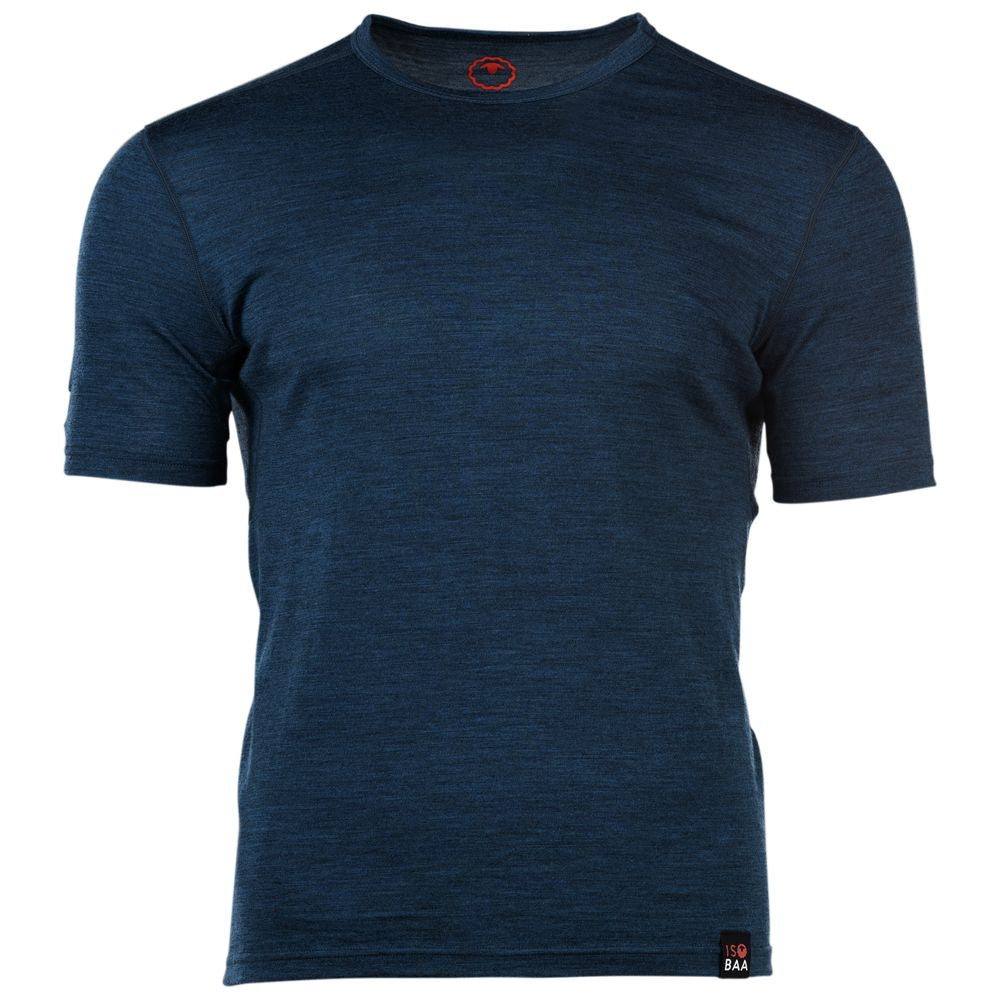
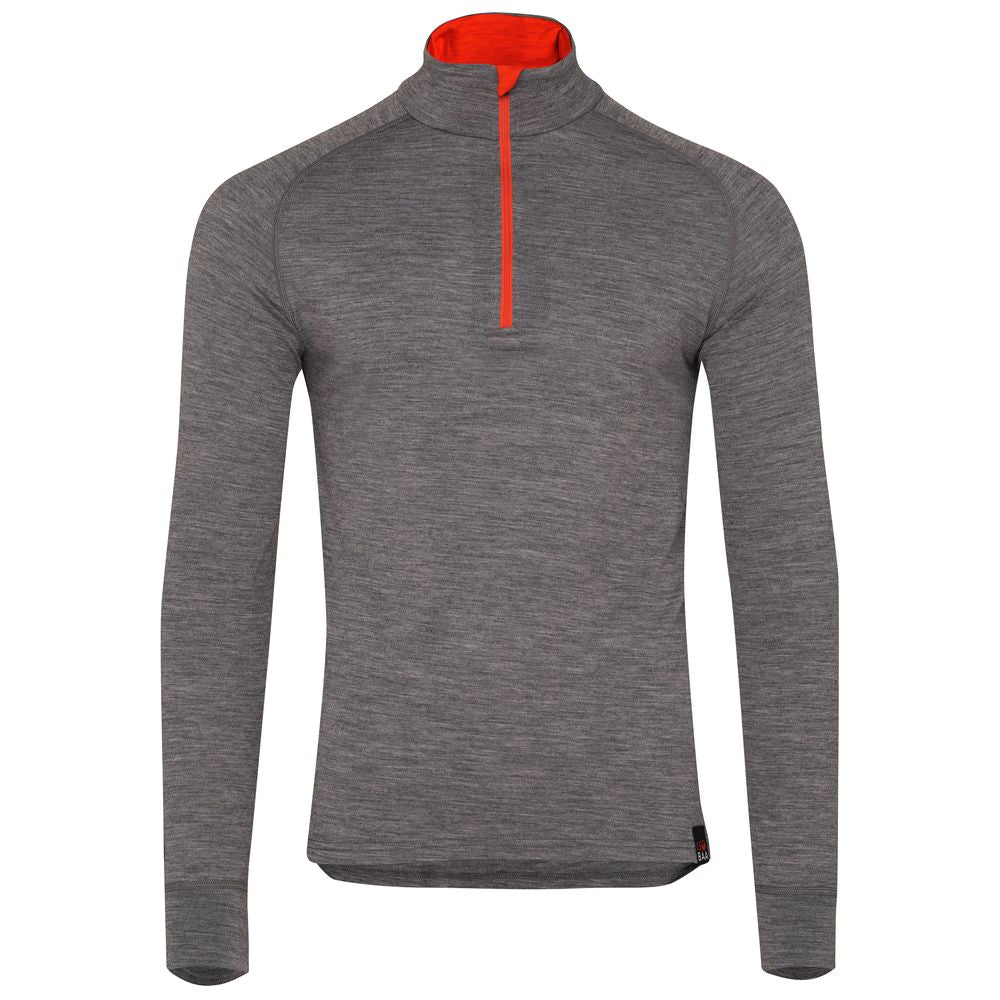
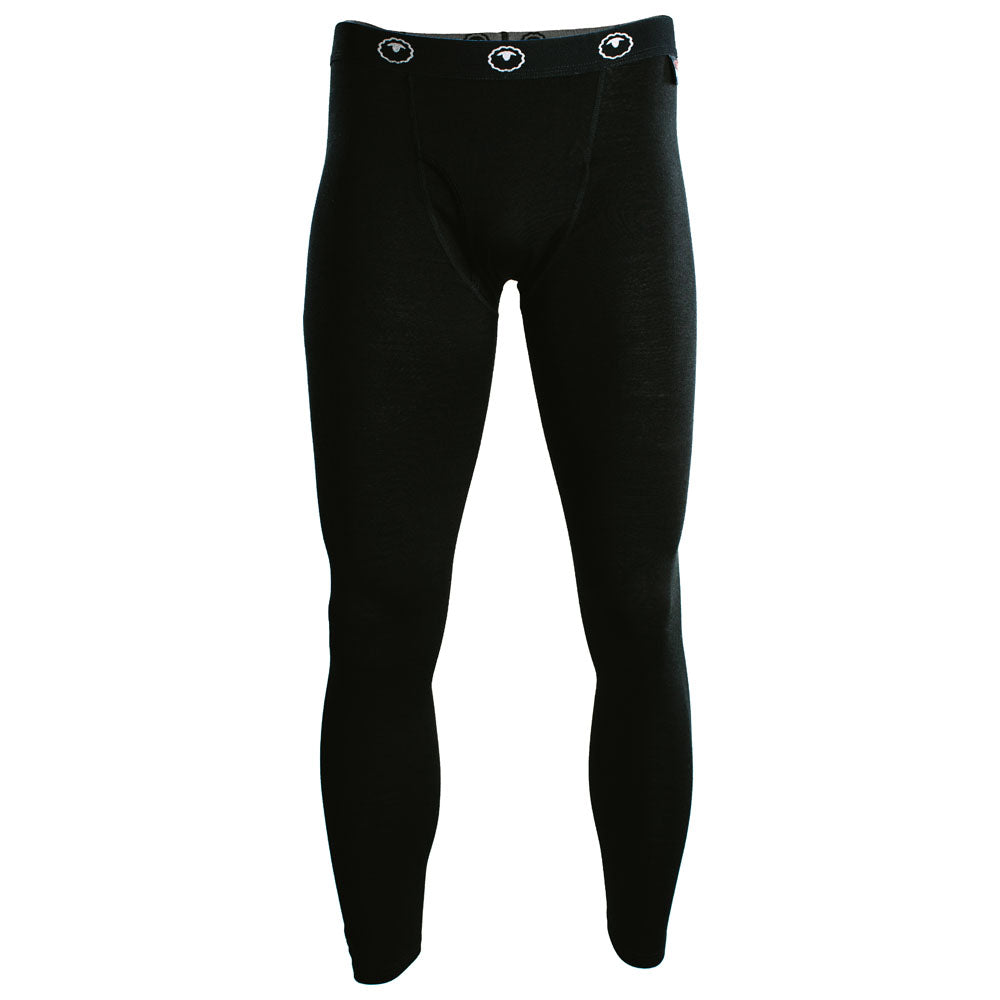
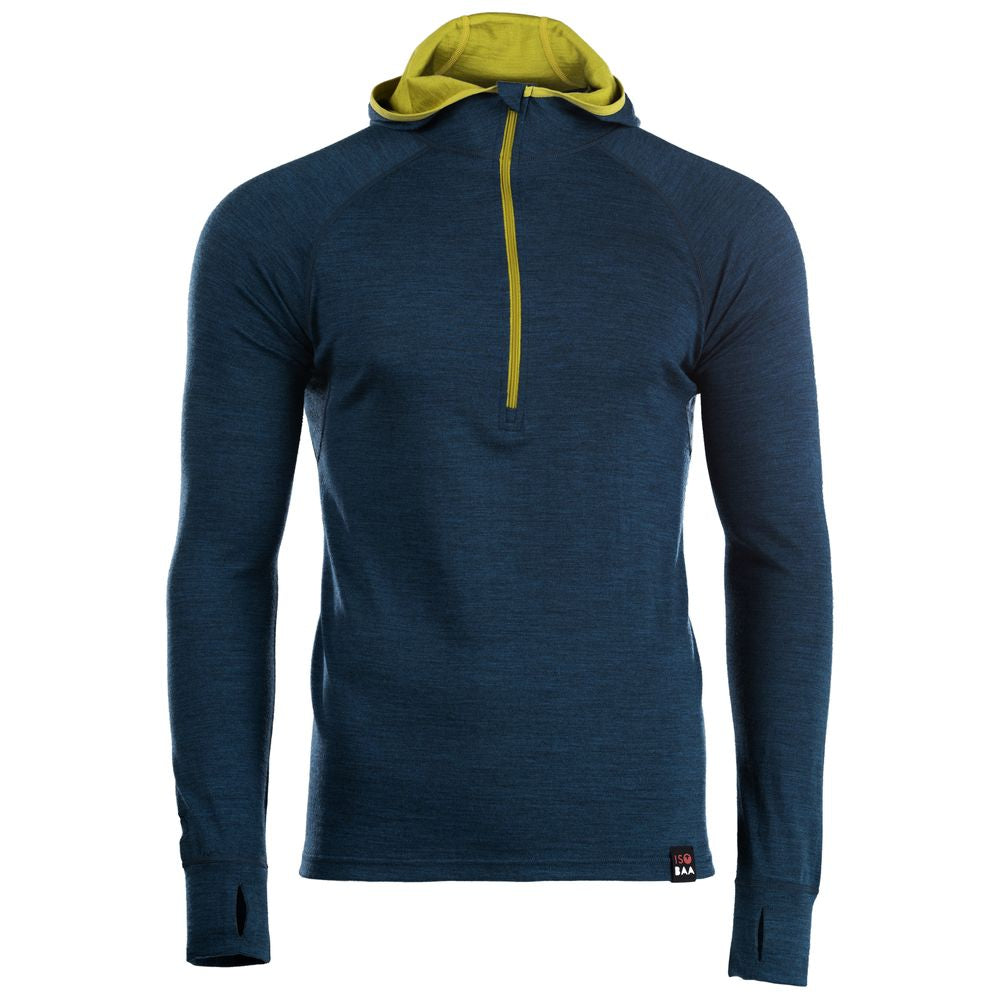
The quality of the woolNot all merino is the same. We often use superfine merino in our products. It's soft enough to wear against skin, but strong enough to handle real use. The weight matters too. Our heavier 200gm and 260gm pieces are especially good at standing up to repeated wear and washing. |
How you wash itThis is the big one. Merino is easy to care for, but heat is its enemy. The quickest way to ruin a merino garment is to wash it too hot or bung it in the tumble dryer. This causes the fibres to shrink and mat together, and there's no coming back from that. The good news is you don't need to wash merino after every wear. It's naturally odour-resistant, so a good airing out is often all it needs. When you do wash it, use a gentle wool cycle at 30°C or below, and lay it flat to dry. |
How you store itFold your merino rather than hanging it, and keep it somewhere moths can't get to (a sealed drawer or bag is ideal). Cedar balls or lavender sachets work well as a natural deterrent. |
What you put it throughMerino can handle a lot, but friction is something to be aware of. Rubbing from a backpack strap or harness can thin the fabric over time, especially on lighter-weight pieces. Our heavier weights and blends deal with this much better, which is why they're popular with cyclists and hikers. |
A bit of pilling is fine
Pilling is normal on merino, and it doesn't mean anything is wrong. It tends to settle down after a few washes as the loose fibres work themselves out. If it bothers you, a fabric shaver sorts it out quickly.
What's actually worth watching for is thinning in areas that get a lot of wear, or changes in fit after washing. Those are the signs a garment is genuinely reaching the end of its life.
The bigger picture
A merino top that lasts five or ten years is obviously better value than replacing something cheaper every season. But it's also just a more sensible way to buy clothing. Merino is natural and biodegradable, so when it does eventually wear out, it breaks down. Polyester doesn't.
Buying one good thing instead of several average ones is a simple idea, but it makes a real difference.
So, how long?
With reasonable care, three to five years is a realistic baseline, and plenty of people get much more than that. The garment that wears in rather than wearing out is the whole point.














Leave a comment
This site is protected by hCaptcha and the hCaptcha Privacy Policy and Terms of Service apply.